- أمانة عمّان الكبرى، تنفيذ أعمال تعبيد ليلية في شارع مكة، ضمن منطقة زهران، حي أم أذينة الشرقي، اعتبارا من الساعة 12 منتصف ليلة الأربعاء-الخميس
- وفاة سيدتين وطفل، بحادث دهس، مساء أمس، على الطريق الصحراوي، من قبل مركبة شحن "تريلا"
- قوات حرس الحدود في المنطقة العسكرية الشمالية، تحبط الأربعاء، محاولة تسلل 5 أشخاص عبر إحدى واجهاتها الحدودية، أثناء محاولتهم اجتياز الحدود بصورة غير مشروعة
- مستوطنون، يعتدون الثلاثاء، على خط ناقل للمياه في الرأس الأحمر جنوب شرق طوباس، في الضفة الغربية المحتلة، وفق وكالة الأنباء الفلسطينية "وفا"
- الجيش الأميركي، يقول الثلاثاء، إنه استخدم صواريخ لتعطيل جهاز التوجيه في سفينة شحن ترفع علم بنما، بعد خرقها الحصار البحري المفروض على الموانئ الإيرانية
- يكون الطقس الأربعاء، صيفيا عاديا في أغلب المناطق، وحارا في البادية بينما يكون حارا جدا في الأغوار والبحر الميت والعقبة
Trump’s Post-War Plans
03/30/2026 - 10:43
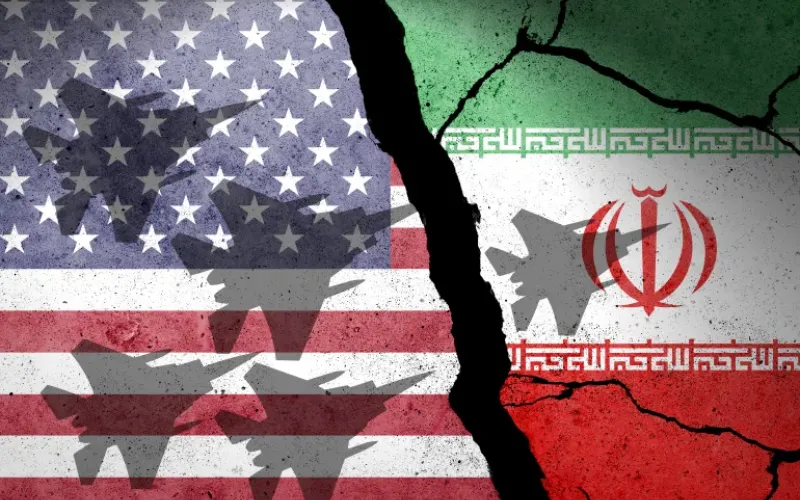
U.S. President Donald Trump’s remarks in Miami reveal a concerning vision for the day after the war with Iran. He spoke openly about his determination to bring Saudi Arabia into the Abraham Accords and to complete Israel’s integration into a new Middle Eastern order under U.S. sponsorship and oversight. Notably, this vision is not tied to the establishment of a Palestinian state, nor does it even include a minimum framework for a peace process. Even the “Deal of the Century” he introduced during his first term is no longer on the table.
This concept of regional peace, built around the Abraham Accords, represents the American theory for the future of the Middle East. While Trump framed his comments with praise for regional countries, they carry, beneath the surface, troubling and potentially destabilizing implications, particularly for Arab states. They suggest direct U.S. intervention that resembles the imposition of a new reality and a form of regional guardianship on multiple levels. Strategically, this includes defining the structure of a new U.S.-led alliance, its primary and secondary members, and the political and economic roles assigned to each. It also entails linking the region firmly to U.S. security and economic interests, effectively reinforcing dependency on Washington.
This approach aligns with the broader geoeconomic rivalry between the United States and China, which is one of the underlying drivers of U.S. policies toward countries like Iran and Venezuela, as well as Trump’s insistence on establishing a military base in Greenland within the context of global economic competition.
Trump’s statements, and the policies they reflect, place Arab countries before critical and defining choices. Regardless of the outcome, duration, or military trajectory of the U.S. war on Iran, the anticipated political result points toward Iran’s marginalization from the regional arena, forcing it to focus inward on managing the war’s repercussions.
At the same time, it is evident that Trump will intensify pressure on Saudi Arabia, a key regional player that has so far refused to join the Abraham Accords, insisting instead on the prior establishment of a Palestinian state. Trump is likely to exploit the current regional vacuum and the outcomes of the war to push his vision onto Arab states. This places these countries at a strategic crossroads in defining their relations with the United States and Israel, potentially in ways that do not align with their own perspectives on the regional order, especially given the absence of influential forces within Israel that genuinely support a Palestinian state and reject what can be described as “Netanyahu-style politics,” centered on annexation, settlement expansion, weakening the Palestinian Authority, and asserting regional dominance based on a new security doctrine.
Accepting Trump’s vision would effectively mean acquiescing to Israeli dominance in the region, abandoning independent strategic perspectives, and deepening regional instability, particularly in the relationship between governments and their populations, which are unlikely to accept such a framework. It would also undermine the possibility of forming a broader Arab-Islamic alliance, potentially including regional countries alongside Turkey, Indonesia, Pakistan, and Malaysia, aimed at rebalancing regional power dynamics.
The region is therefore facing a decisive and historic moment in shaping its future. It requires the formation of a strong and cohesive political will. Trump, who found himself in a difficult position following Iranian attacks on Gulf states and the exposure of the limits of U.S. “protection,” now appears intent on reversing the situation by imposing new regional arrangements that ultimately serve Benjamin Netanyahu and the Israeli government. This places Arab states before a fundamental test, whether they are prepared to reject such policies, or at the very least, to develop broader alternatives and strategic options in response to attempts at imposing a predetermined regional order.