- المنطقة العسكرية الشمالية، أحبطت مساء السبت، محاولة تسلل أربعة أشخاص عبر إحدى الواجهات الحدودية
- وزارة العمل تمدد دوام عدد من مديريات العمل في العاصمة والمحافظات حتى الساعة الخامسة مساءً، حتى 30 أيلول
- استقرار سعر بيع غرام الذهب "عيار 21" الأكثر رغبة من المواطنين في السوق المحلية، الأحد، عند 88.30 دينارا لغايات البيع من محالّ الصاغة، مقابل 84.30 دينارا لجهة الشراء
- استشهاد فلسطينيين وأصيب آخرون، الأحد، في قصف قوات الاحتلال الإسرائيلي مركبة في حي تل الهوا، جنوب غرب مدينة غزة
- قوات الاحتلال الإسرائيلي، تتوغل الأحد، في قرية أوفانيا بريف القنيطرة الشمالي، حيث ضمت القوة الإسرائيلية المتوغلة أكثر من 5 دبابات وقرابة 20 آلية عسكرية محملة بالجنود
- يكون الطقس الأحد، معتدلا في أغلب مناطق المملكة، وحارا في البادية والأغوار والبحر الميت والعقبة
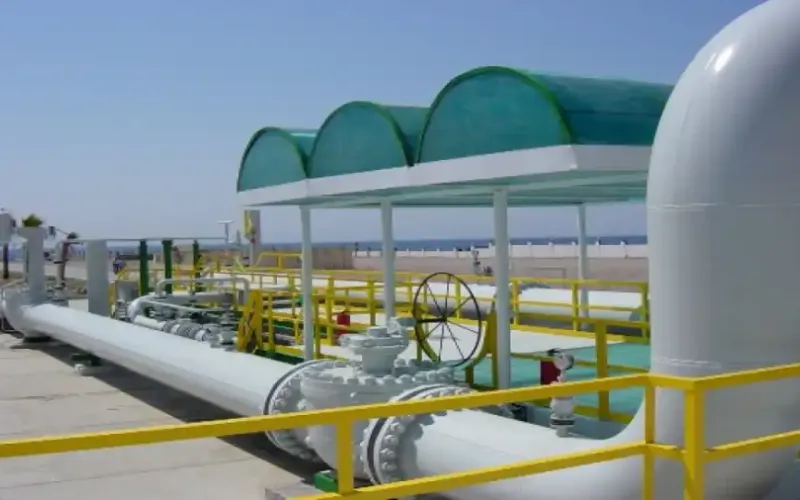
Expert : The Basra-Aqaba Oil Pipeline Project is a Feasible Strategic Option
03/29/2026 - 11:35
Energy expert Amer Al-Shoubki affirmed that the oil pipeline project from Basra to Aqaba is a strategic option that can be implemented in the medium term. Al-Shoubki explained during his participation in a program on Radio Al-Balad that the idea dates back more than four decades, as Iraq has always sought to reduce its dependence on the Basra outlet.
Al-Shoubki clarified that Iraq, which relies on oil for about 95% of its revenues, aims to increase its production in the coming years, which drives it to seek new routes for oil export, especially after the closure of ports due to security conditions. In this context, the pipeline from Basra to Aqaba is considered a strategic solution, as it provides an alternative that reduces risks and expands Iraq’s export capacity.
He added that the project would give Jordan a pivotal role as a regional corridor, as it would contribute to job creation and attract revenues from transit fees. Moreover, the Aqaba port would become more active, with potential facilities for exporting oil products.
Al-Shoubki noted that the current conditions, especially after the closure of export outlets, may push Iraq to revive the project seriously, particularly as Iran’s influence on Iraqi decision-making declines. He considered that this project could become a top priority for Gulf countries seeking alternatives to oil export, beyond the Strait of Hormuz and the Bab el-Mandeb Strait.