- وزير الداخلية، يترأس اجتماع متابعة جاهزية المؤسسات واستعداداتها لاستقبال فصل الشتاء والتحضيرات اللازمة لمواجهة الأحوال الجوية والظروف الطارئة خلال هذا الفصل
- كوادر مديرية دفاع مدني الزرقاء أخمدت أمس حريقاً شب داخل أحد مصانع الدهانات في منطقة الهاشمية بمحافظة الزرقاء نتج عنه إصابة خمسة أشخاص بضيق في التنفس
- وفاة 12شخصا بينهم 5 أطفال، وإصابة 13آخرين، وفقد أكثر من 60 آخرين في حصيلة غير نهائية، إثر انهيار مبنى متصدع من 6 طبقات يؤوي عشرات النازحين في مدينة غزة
- مستوطنون، يحرقون الأربعاء، مسكنا وغرفة زراعية، وخطوا شعارات عنصرية على جدران منازل الفلسطينيين، في قرية التوانة بمسافر يطا، جنوب الخليل، جنوب الضفة الغربية المحتلة
- يكون الطقس الأربعاء، حارا نسبيا فوق المرتفعات الجبلية، وحارًا في باقي المناطق، مع ظهور غيوم على ارتفاعات متوسطة وعالية في جنوب المملكة
Jordanian turns house into living museum of the 1980s (photo essay)

03/16/2023 - 16:32
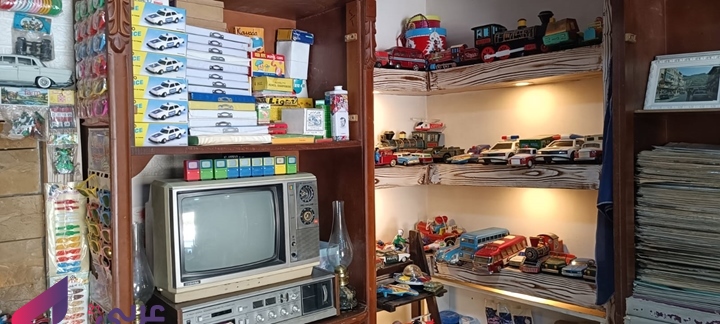
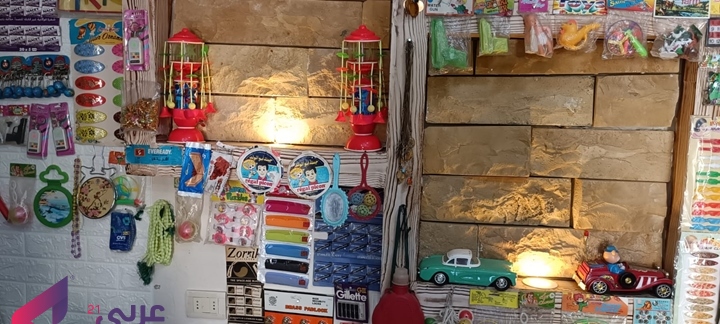
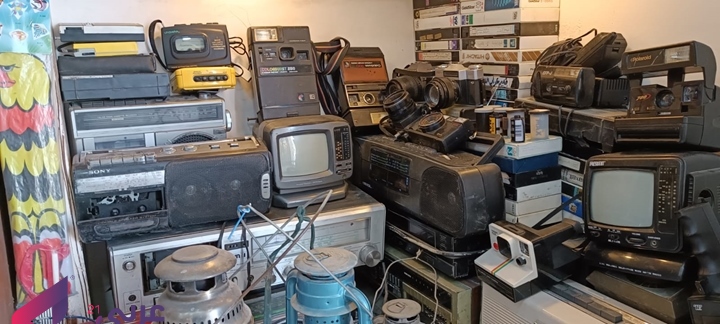
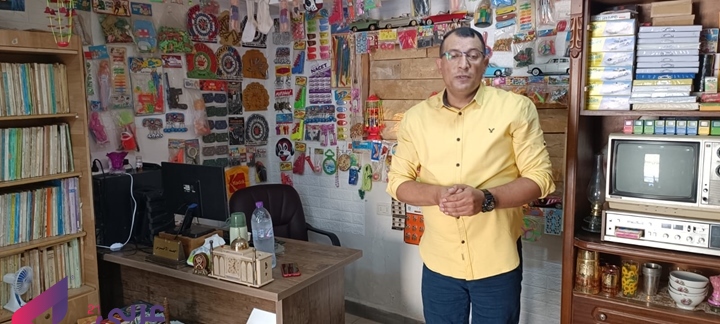
Entering the amateur museum is like stepping back to the 1980s. If you’re a child of that decade — or earlier — hundreds of memories will flood into your head as soon as you walk through the door.
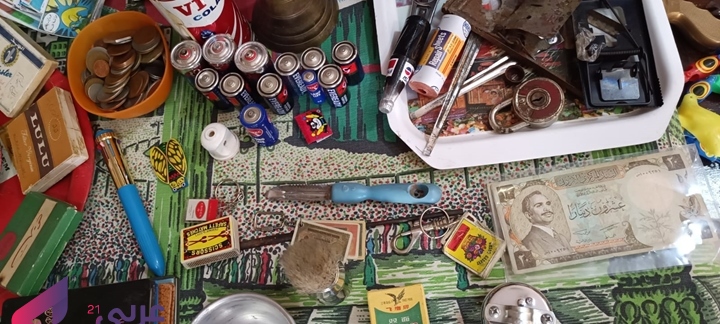
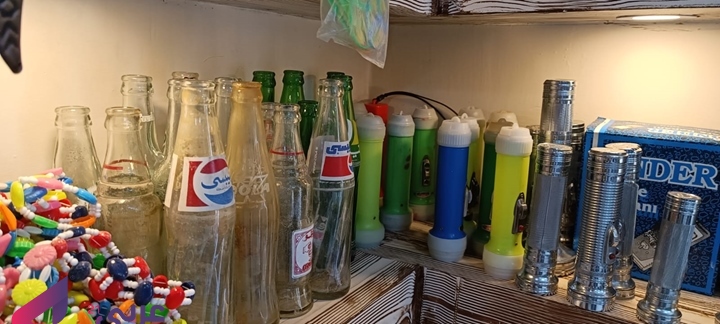
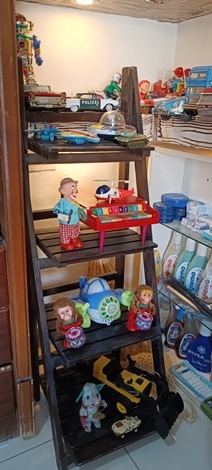
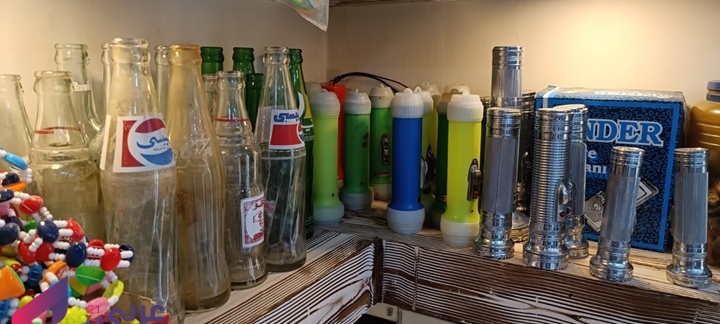
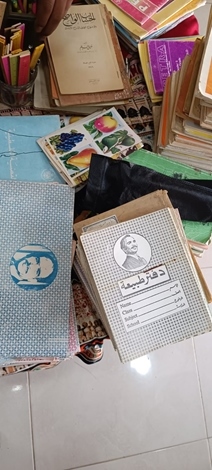
Jordanian collector Ahmad Al-Akhras has transformed a warehouse near his home into a time capsule, displaying hundreds of objects and collectibles from the past century. He gives visitors a tour with detailed explanations of each piece, how it got there, and the time period it came from.
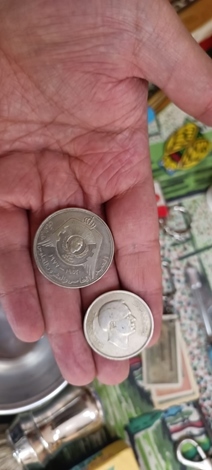
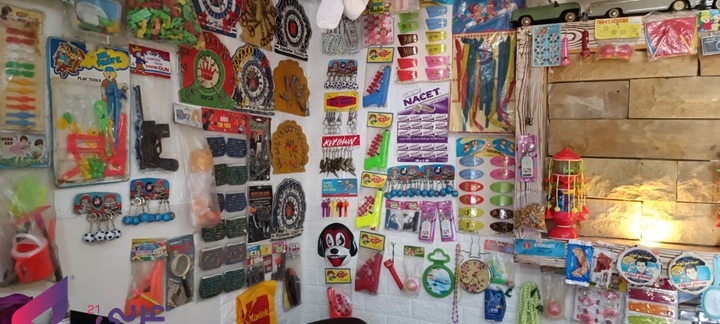
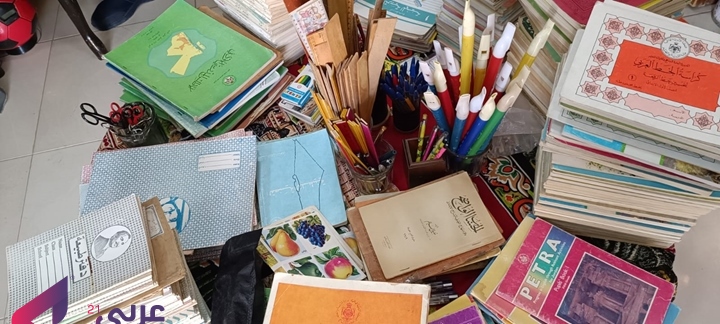
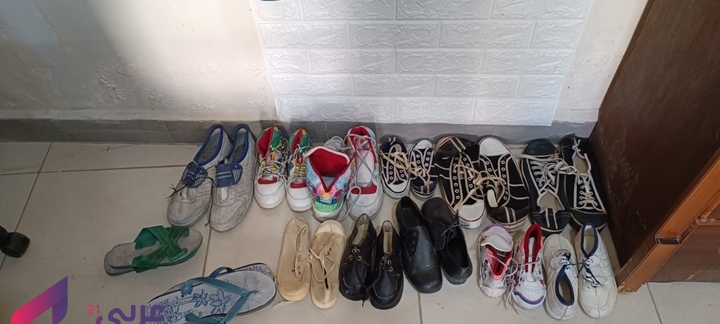
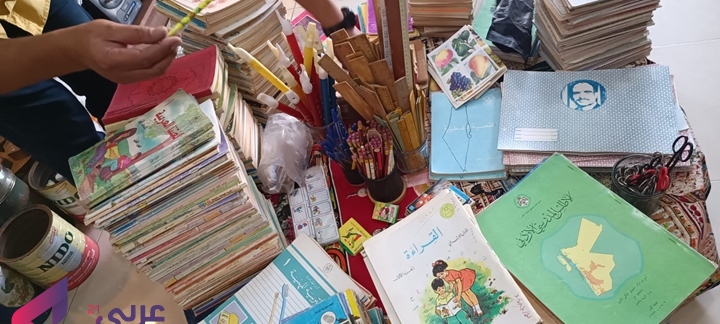
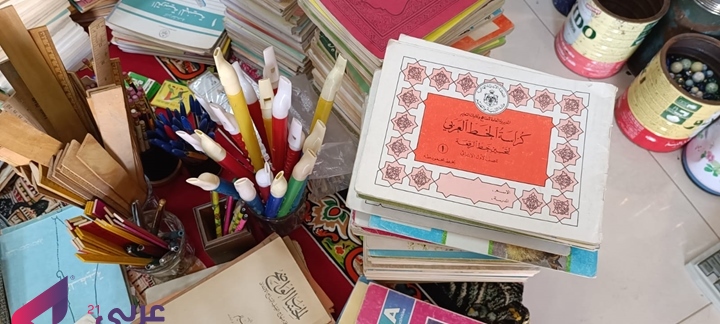
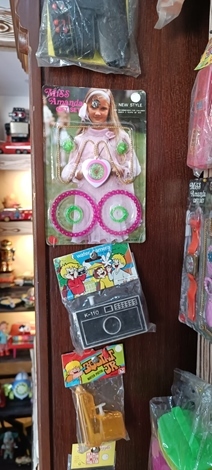
Al-Akhras began his memorabilia collection in the 1990s, gathering old school curricula, stationary, newspapers, children’s toys, consumer products, currency, shoes, and just about everything else. The collection dates back to early years of the Emirate of Transjordan.
“I collected most of these things myself, and I bought part of them by selling some scraps [to raise money] for this purpose,” he says. “When students in the 1990s finished with their schoolbooks and toys, I kept them and other old things in a cache in my house. I knew that these things would be valuable, and serve as a legacy, and document that part of our history and our childhood, which is considered a beautiful time.”
Al-Akhras’s project has been met with interest from Jordanians, especially the older generation. He says that visitors from the “Golden Generation” are nostalgic, while the younger generation is amazed at the games that were popular back then, such as the Atari and Sega consoles, or plastic toy soldiers — the old-school version of PUBG.
The collection also has a social media aspect, as Al-Akhras is looking to “transfer the archive into the virtual world through Facebook and TikTok, in order to reach masses of people and revive their memories.”
Al-Akhras wants the Greater Amman Municipality to provide an official space for the collection. And he hopes that it can serve as an archive for newspapers, curricula, and other rare documents that are not found elsewhere in the Arab world.