- الهيئة الخيرية الأردنية الهاشمية، تسير الخميس، القافلة الحادية عشرة من المساعدات الإنسانية إلى الجمهورية اللبنانية
- القوات المسلحة الأردنية – الجيش العربي، تسقط خمسة صواريخ قادمة من إيران استهدفت أراضي المملكة، فجر الخميس
- إلقاء القبض على شخص أقدم على طعن فتاة حتى الموت في العاصمة عمّان، وفق ما أفادت به مديرية الأمن العام.
- استشهاد 3 فلسطينيين، بينهم طفلان، وإصابة آخرون، الخميس، بقصف إسرائيلي استهدف مناطق عدة في قطاع غزة
- هجوم إيراني استهدف مبنى تابعا لإحدى الشركات الصينية شمال الكويت، ما أسفر عن مقتل أحد العاملين وإلحاق أضرار مادية جسيمة بالمبنى
- بدء تأثير كتلة هوائية حارة على الأردن اعتبارا من اليوم الخميس، ما يؤدي إلى ارتفاع تدريجي في درجات الحرارة، على أن تبلغ الكتلة ذروة تأثيرها السبت
Aspirations to Create a National Alzheimer’s Registry in Jordan

12/01/2024 - 12:19
A representative from an NGO announced on November 7th that efforts are underway to establish a national registry for Alzheimer’s patients in Jordan.
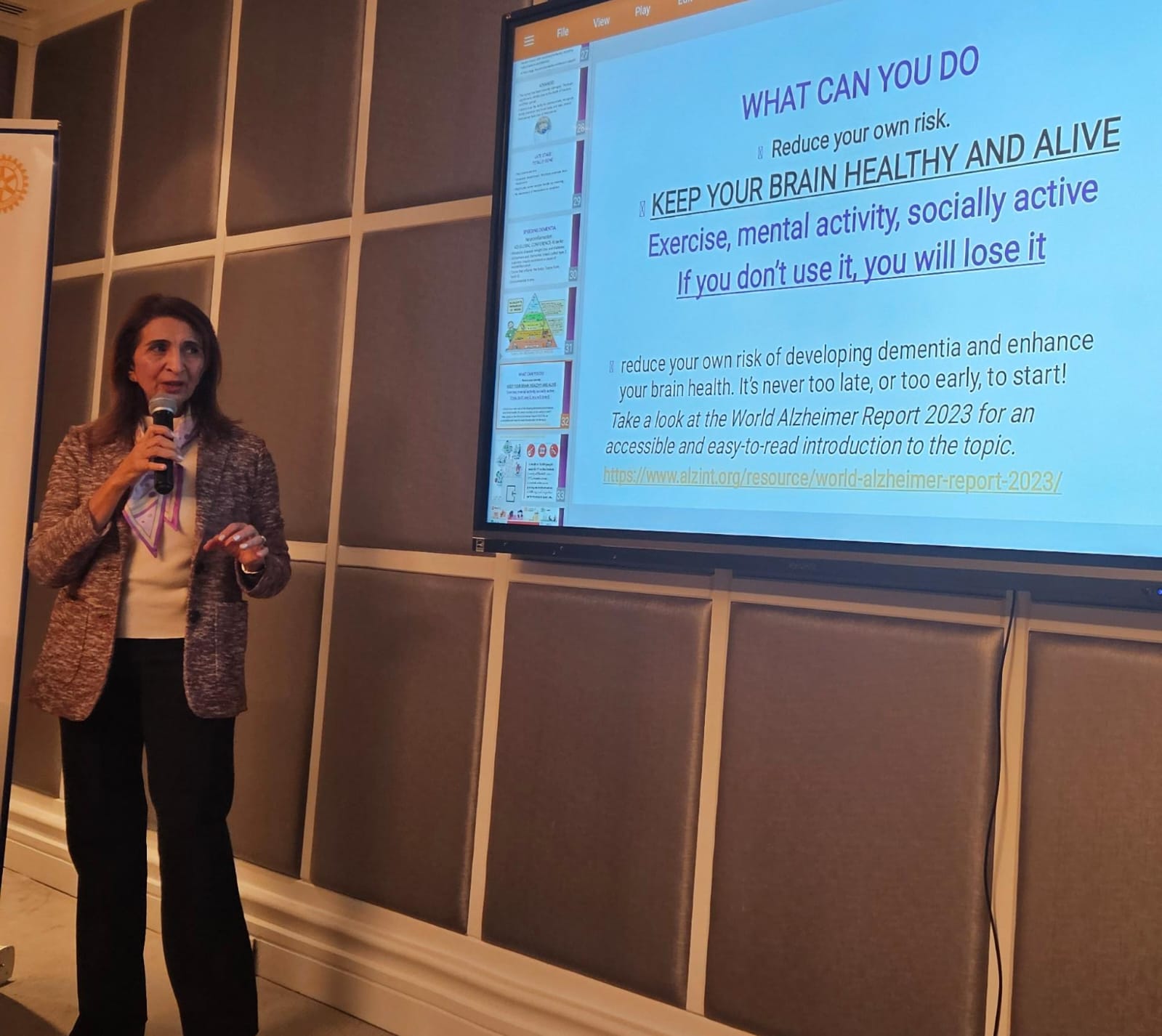
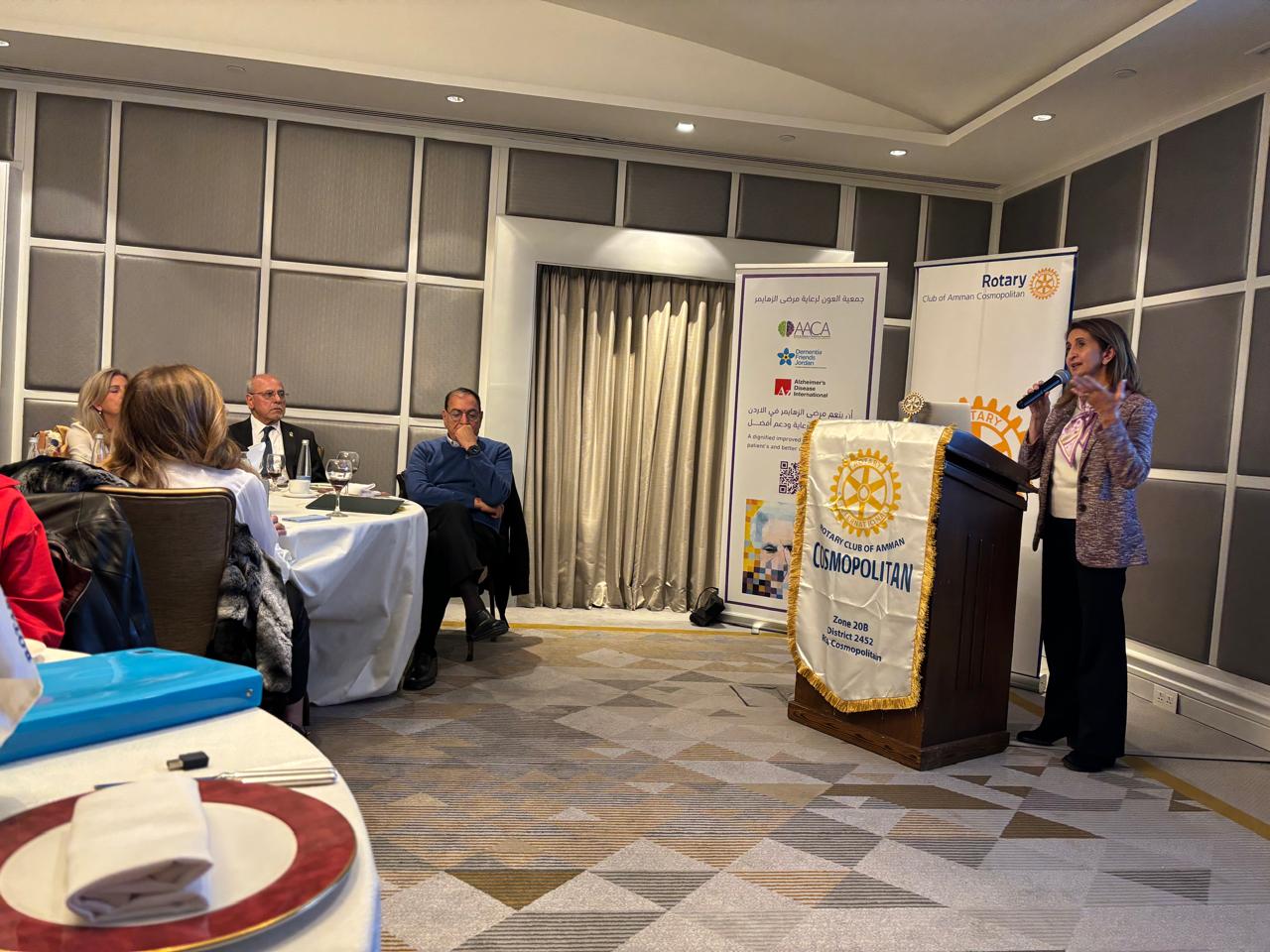
Leen Al-Madanat, a board member of the Al Oun for Alzheimer Patient Care Association (AACA) , said during a lecture at the Amman Cosmopolitan Club members that AACA is leveraging Jordanian technology for continuous patient identification.
In collaboration with the Public Security Directorate (PSD), MoDEE, IRIS Guard, and NatHealth, the eye scan technology will enable a regularly updated AACA database to store basic dementia patient information, accessible exclusively to the PSD. She urged the public to register their loved ones on the AACA database at aaca-jo.com.
This initiative is crucial for helping the police identify lost dementia patients and contact their families, as well as identifying patient concentration areas. A recent tragic case of a missing elderly Jordanian found deceased after several days, underscores the need for sustainable tracking solutions.
Al-Madanat, using her Canadian training and experience in senior homes and in developing community programs for caregivers and families, along with AACA members, is committed to raising awareness of various dementia diseases. She praised the efforts of Her Royal Highness Princess Muna Al Hussein, the Honorary Ambassador of Alzheimer Disease International- ADI, to draw attention to this devastating disease.
Although Alzheimer’s is challenging to reverse, Al-Madanat emphasizes the importance of early detection through early monitoring and diagnosis to potentially prevent its progression. She noted that many people and informal caregivers have limited or incorrect information about dementia, causing a negative stigma, which needs continuous joint efforts to concur.
She advised caregivers to prioritize their self-care and seek education on dementia to better support their loved ones in maintaining a normal life, especially during the early and moderate stages. Memory loss should not confine individuals to their homes. Families are encouraged to take their loved ones out and not to feel ashamed of their condition. She specifically warned against asking dementia patients challenging memory-related questions, such as, “Do you remember me?” as this can lead to confusion and anxiety.
Addressing dementia requires healthy eating, avoiding smoking and excessive drinking, social activities, and maintaining daily walking and exercise. An estimated 153 million people are expected to have dementia-related diseases by 2050, though actual numbers may be much higher, as many individuals and families remain unaware of their condition.