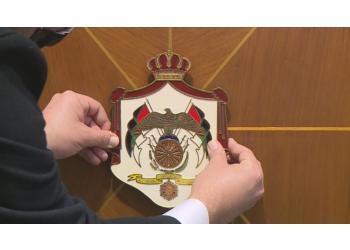
- وزير الداخلية، يترأس اجتماع متابعة جاهزية المؤسسات واستعداداتها لاستقبال فصل الشتاء والتحضيرات اللازمة لمواجهة الأحوال الجوية والظروف الطارئة خلال هذا الفصل
- كوادر مديرية دفاع مدني الزرقاء أخمدت أمس حريقاً شب داخل أحد مصانع الدهانات في منطقة الهاشمية بمحافظة الزرقاء نتج عنه إصابة خمسة أشخاص بضيق في التنفس
- وفاة 12شخصا بينهم 5 أطفال، وإصابة 13آخرين، وفقد أكثر من 60 آخرين في حصيلة غير نهائية، إثر انهيار مبنى متصدع من 6 طبقات يؤوي عشرات النازحين في مدينة غزة
- مستوطنون، يحرقون الأربعاء، مسكنا وغرفة زراعية، وخطوا شعارات عنصرية على جدران منازل الفلسطينيين، في قرية التوانة بمسافر يطا، جنوب الخليل، جنوب الضفة الغربية المحتلة
- يكون الطقس الأربعاء، حارا نسبيا فوق المرتفعات الجبلية، وحارًا في باقي المناطق، مع ظهور غيوم على ارتفاعات متوسطة وعالية في جنوب المملكة
Wrong basis

10/10/2010 - 21:54
Egypt’s high criminal court's recent ruling to reduce the sentence of the Egyptian business tycoon Tilat Mustafa, found guilty by another court of the killing of Lebanese starlet Susan Tamim last year and condemned to death for his part in the crime, raises a very serious human rights issue.
The death sentence was effectively overruled by the consequent criminal court because the family of the murdered women has received "fidya", or blood money, from the condemned Egyptian and the court in question determined that the monetary compensation justifies changing the punishment from hanging to 15 years imprisonment.
The judiciary in many Muslim countries regards the payment of financial compensation to the family of victims of crime as judicial justification to commute a sentence. This strikes me not only as absurd from a judicial point of view but also as a grave injustice to the victim and wanton disregard of the principles of fair trial.
What this system of justice shows is that justice can be bought and sold by victims and their families. What right does Tamim’s family have to negotiate the kind of sentence that can be imposed on her alleged killer?
Since when can the questionable right of relatives supersede the right of a victim?
What international human rights standard yields to this kind of injustice?
The proper thing for the Egyptian system of justice to do in this instance is to ignore completely any "business" deal struck between the condemned and the family of the victim. This kind of arrangement must be ruled as unconstitutional and in open violation of public order and international norms to which the countries allowing it are legally committed to respect and apply.
While not passing judgement on people found guilty by a court of law in Egypt and without prejudice to the growing international norm against penal punishment, the Egyptian court system should set an example of and a lawful precedent for fair trial and the administration of criminal justice in accordance with international standards.
One can understand that the punishment can be reduced, but in the case of the Egyptian businessman, but not because he paid the family of his victim a hefty amount to silence them. A family may have the prerogative to withdraw a civil complaint against the perpetrator of a crime, but that should not serve as a basis for perpetrating a gross injustice.