- وزير الداخلية، يترأس اجتماع متابعة جاهزية المؤسسات واستعداداتها لاستقبال فصل الشتاء والتحضيرات اللازمة لمواجهة الأحوال الجوية والظروف الطارئة خلال هذا الفصل
- كوادر مديرية دفاع مدني الزرقاء أخمدت أمس حريقاً شب داخل أحد مصانع الدهانات في منطقة الهاشمية بمحافظة الزرقاء نتج عنه إصابة خمسة أشخاص بضيق في التنفس
- وفاة 12شخصا بينهم 5 أطفال، وإصابة 13آخرين، وفقد أكثر من 60 آخرين في حصيلة غير نهائية، إثر انهيار مبنى متصدع من 6 طبقات يؤوي عشرات النازحين في مدينة غزة
- مستوطنون، يحرقون الأربعاء، مسكنا وغرفة زراعية، وخطوا شعارات عنصرية على جدران منازل الفلسطينيين، في قرية التوانة بمسافر يطا، جنوب الخليل، جنوب الضفة الغربية المحتلة
- يكون الطقس الأربعاء، حارا نسبيا فوق المرتفعات الجبلية، وحارًا في باقي المناطق، مع ظهور غيوم على ارتفاعات متوسطة وعالية في جنوب المملكة
Why does Jordan categorically refuse to send troops to Gaza?
10/30/2025 - 14:14
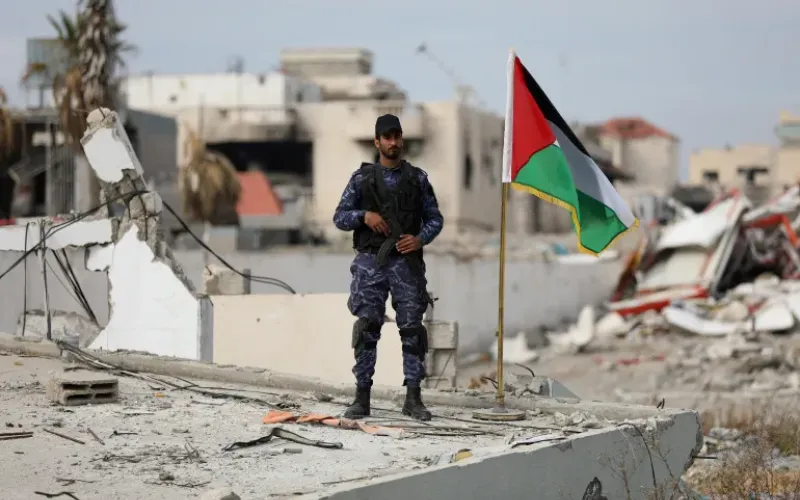
Jordan has firmly rejected sending troops to the Gaza Strip, describing the decision as a decisive strategic measure.
The refusal clearly delineates the boundaries of Jordan’s role and serves as a firm statement that the Kingdom will not assume a role in “cleaning up” the chaos caused by the Israeli occupation and the extermination war it waged on the territory.
The Jordanian decision stems from a deep understanding that any direct military intervention in Gaza would make the Kingdom a party responsible for the consequences of the occupation, placing it in a position that is unacceptable both regionally and nationally.
Jordan also rejects serving as a bridge for arranging security conditions following an Israeli military operation, emphasizing that the occupation bears full responsibility for the chaos of war and its aftermath.
Engaging militarily in a complex and heavily armed environment like Gaza would put Jordan face-to-face with Palestinian forces, fundamentally contradicting the deep fraternal and historical ties between the Kingdom and the Palestinian people, and exposing Jordan’s supreme national interests to unjustified risks.
Jordan has skillfully chosen a path that safeguards its strategic depth and borders, clearly distinguishing its role as a supporter of the Palestinian cause from being drawn into a conflict that does not serve regional stability or the interests of both peoples.
At the same time, Jordan’s steadfast position emphasizes the humanitarian dimension as a top priority, focusing on providing logistical and relief support, including essential medical and humanitarian aid to the residents of Gaza.
In addition to building Palestinian capacities, Jordan concentrates on training roles and supporting Palestinian security agencies, enabling them to manage their affairs autonomously and responsibly, away from any external military oversight, while continuing diplomatic efforts to protect civilians and halt escalation.
This humanitarian approach reflects Jordan’s practical commitment to the Palestinian people and represents a genuine, sustainable tool of influence, far from the trap of military engagement, which could drain resources and undermine the noble objective.
Jordan’s refusal to send forces to Gaza underscores that addressing the chaos of the occupation is the responsibility of the occupation itself, not any regional actor.
This stance reflects Jordan’s ongoing calls for a just resolution to the Palestinian issue, as King Abdullah II advocates through the establishment of a Palestinian state with East Jerusalem as its capital, in line with United Nations resolutions. Beyond this framework, Jordan rejects being a tool in any security arrangements that do not serve the Palestinian people’s aspirations for freedom and independence.