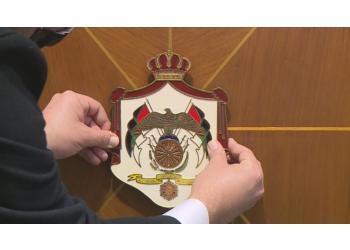
- وزير الداخلية، يترأس اجتماع متابعة جاهزية المؤسسات واستعداداتها لاستقبال فصل الشتاء والتحضيرات اللازمة لمواجهة الأحوال الجوية والظروف الطارئة خلال هذا الفصل
- كوادر مديرية دفاع مدني الزرقاء أخمدت أمس حريقاً شب داخل أحد مصانع الدهانات في منطقة الهاشمية بمحافظة الزرقاء نتج عنه إصابة خمسة أشخاص بضيق في التنفس
- وفاة 12شخصا بينهم 5 أطفال، وإصابة 13آخرين، وفقد أكثر من 60 آخرين في حصيلة غير نهائية، إثر انهيار مبنى متصدع من 6 طبقات يؤوي عشرات النازحين في مدينة غزة
- مستوطنون، يحرقون الأربعاء، مسكنا وغرفة زراعية، وخطوا شعارات عنصرية على جدران منازل الفلسطينيين، في قرية التوانة بمسافر يطا، جنوب الخليل، جنوب الضفة الغربية المحتلة
- يكون الطقس الأربعاء، حارا نسبيا فوق المرتفعات الجبلية، وحارًا في باقي المناطق، مع ظهور غيوم على ارتفاعات متوسطة وعالية في جنوب المملكة
Trade deficit - a second opinion

08/30/2010 - 04:29
Official figures announced recently by the Department of Statistics indicate that Jordan’s level of foreign trade registered a steep rise during the first half of the year.
National exports rose by 16.6 per cent (30 per cent in June) and foreign imports rose by 11.7 per cent (17.4 per cent in June). These are obviously very high growth rates, far exceeding expectations. They deserve a thorough look to identify the positive and negative sides of the phenomenon.
The end result was a substantial rise in the deficit of the balance of trade, amounting to 18.1 per cent. The main reason behind the relatively high deficit was the decline of reexports to Iraq due to certain restrictions imposed by the Iraqi authorities.
The rate of coverage of imports by the proceeds of exports and reexports was around 47 per cent, almost the same as in previous years. Trade deficit has become a permanent feature of the Jordanian economy.
Some observers find in these numbers a negative development. They have pointed out the fact that trade deficit rose beyond the level registered during the same period of 2009.
However, certain positive aspects should not be ignored. Although the rise in the volume of imports has a negative impact on the balance of payments, it also has some positive indications. Higher imports indicate a rise in the standards of living, as far as the rise in imported consumer items is concerned, and a rise in investment activity where the rise of imported capital goods is concerned.
Higher standards of living and more investment inevitably call for more imports to satisfy consumers and investors’ extra demand.
One has also to point out that, comparing the foreign trade figures of this year to those of 2009 may not be meaningful. Last year was a period of contraction and economic recession under the impact of the world financial and economic crisis.
The reduction of imports and the balance of trade in 2009 was in effect a negative sign. If we want economic recovery and a restoration of fast growth, we have to accept the price in the form of more imports and wider trade deficit.
No one doubts the fact that trade deficit is inherently bad, but the expected harm resulting from trade deficit is, in Jordan’s case, reduced or removed because: the balance of services posts a surplus; the current account deficit is not rising; because this deficit did not put pressure on the balance of payments nor did it depleted the foreign exchange reserve of the Central Bank. On the contrary, the reserve is still growing.
It is of course preferable, in any country, to cover imports from the proceeds of exports, but in the specific circumstances of Jordan, one finds that part of the consumption imports is being financed by Jordanian expatriates’ remittances.
Also, a part of the cost of capital imports would be financed by the flow of funds from external investors. As such, higher imports did not put pressure on the country’s financial resources.
More activity in the field of foreign trade, imports and exports, is a strong indicator of economic recovery and higher growth rates.
The best way to adjust the picture is not to curb imports but to encourage and promote exports.