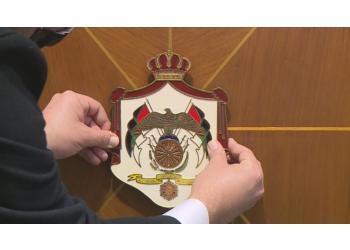
- وزير الداخلية، يترأس اجتماع متابعة جاهزية المؤسسات واستعداداتها لاستقبال فصل الشتاء والتحضيرات اللازمة لمواجهة الأحوال الجوية والظروف الطارئة خلال هذا الفصل
- كوادر مديرية دفاع مدني الزرقاء أخمدت أمس حريقاً شب داخل أحد مصانع الدهانات في منطقة الهاشمية بمحافظة الزرقاء نتج عنه إصابة خمسة أشخاص بضيق في التنفس
- وفاة 12شخصا بينهم 5 أطفال، وإصابة 13آخرين، وفقد أكثر من 60 آخرين في حصيلة غير نهائية، إثر انهيار مبنى متصدع من 6 طبقات يؤوي عشرات النازحين في مدينة غزة
- مستوطنون، يحرقون الأربعاء، مسكنا وغرفة زراعية، وخطوا شعارات عنصرية على جدران منازل الفلسطينيين، في قرية التوانة بمسافر يطا، جنوب الخليل، جنوب الضفة الغربية المحتلة
- يكون الطقس الأربعاء، حارا نسبيا فوق المرتفعات الجبلية، وحارًا في باقي المناطق، مع ظهور غيوم على ارتفاعات متوسطة وعالية في جنوب المملكة
Media as a Driver of Awareness and Sustainability: Working within the “Pact for the Mediterranean”

12/01/2025 - 13:36
When I attended the launch of the Pact for the Mediterranean at the invitation of the European Union, it became clear that this was more than a diplomatic event—it was a vision for the future that requires the active participation of every country, especially given the pressing challenges we face: unemployment, migration, and climate change.
In Jordan, unemployment is one of the most pressing issues, particularly among university graduates, where rates range between 25% and 30%. At the same time, the country is increasingly affected by climate change—from declining rainfall and rising temperatures to the degradation of agricultural lands and mounting pressures on water resources. These challenges intersect with youth unemployment and waves of migration, making superficial solutions insufficient.
In this context, the role of media is crucial. It is not merely a conveyor of news, but a tool for shaping awareness, creating opportunities, and guiding society. When media highlights early stories about climate risks in Jordan or projects addressing these challenges, it becomes a voice that warns, educates, and motivates action.
Moreover, when media showcases renewable energy projects, such as solar and wind power plants, or the new jobs associated with them, it becomes a platform demonstrating that change can be an opportunity—and that young people can remain in their country and contribute to its development rather than seeking an uncertain future abroad.
The Pact, meanwhile, connects Jordan to a broader regional future: developments in North Africa or Europe have direct implications for life here, and we are all intertwined in the climate equation. Media can bridge these points, showing how regional cooperation in education, energy, and the blue economy can relieve pressures on Jordan, create a sustainable economy benefiting local communities, and empower youth with a sense of responsibility and agency.
The aim is not only to present initiatives and policies, but also to tell real stories of change already underway, and of solutions that can be applied today to secure a better future. Jordan stands out for its adaptability, ambitious human resources, and resilience in facing crises—but success will not be possible without media capable of turning knowledge into action, risk into opportunity, and environmental and social challenges into tangible projects.
Here, media serves as a bridge between policies and citizens, transforming the Pact from a written document into a tangible vision experienced in everyday life—felt in jobs, water, agriculture, and the future of children. When media conveys these stories clearly and boldly, the Pact becomes a tool for change, citizens become part of the solution, and young people can envision a future in their own country.
Within this framework, the Community Media Network / Radio Al-Balad is planning to launch a program titled “Youth for the Mediterranean”, aimed at empowering young people in media, connecting them to the regional reality, highlighting success stories, and shedding light on innovation, renewable energy, and youth-led initiatives.
With its unique challenges and strategic location, Jordan can serve as a living model of how media can foster collective awareness, translate vision into sustainable action, and connect resource protection, economic opportunity, and social stability. Ultimately, media is not merely an observer of events—it is the force that turns ambition into action, challenges into projects, and vision into a future that people live and believe in.