- وزير النقل وزير العمل نضال القطامين يقرر تمديد ساعات الدوام الرسمي في مكاتب ومديريات العمل اعتبارا من السبت 12 أيلول 2026 وحتى الأربعاء 30 أيلول، لتستمر من السبت حتى الخميس حتى الساعة الـ5 مساءً
- إدارة السير تعلن عن تطبيق خطة مرورية مختلفة خلال الفترة المسائية من الخميس، تشمل مراحل ما بعد الظهيرة والفترة المسائية وما بعد العشاء
- إرسال طائرة إخلاء طبي جوي، مزودة بطاقم طبي متخصص من طبابة سلاح الجو الملكي، لإخلاء أردني يبلغ من العمر (27) عامًا من الإمارات ، إثر تعرضه لحادث سير
- استشهاد 4 فلسطينيين وإصابة آخرين، الخميس، إثر قصف قوات الاحتلال الإسرائيلي منزلا في مشروع بيت لاهيا شمالي قطاع غزة.
- المتحدث الرسمي باسم قوات التحالف "تحالف دعم الشرعية في اليمن"، اللواء تركي المالكي، يقول إن الحوثيين نفذوا الأربعاء هجمات باتجاه 3 مدن سعودية
- مجلس محافظي الوكالة الدولية للطاقة الذرية، يقرر الأربعاء، إغلاق الملف المتصل بعدم وفاء سوريا بالتزاماتها
- تسود أجواء معتدلة نهارا في أغلب مناطق المملكة، الخميس، فيما تكون حارّة في البادية والأغوار والبحر الميت والعقبة
Issa Marto details Roadmap to long-term football success in Jordan

07/19/2026 - 11:23
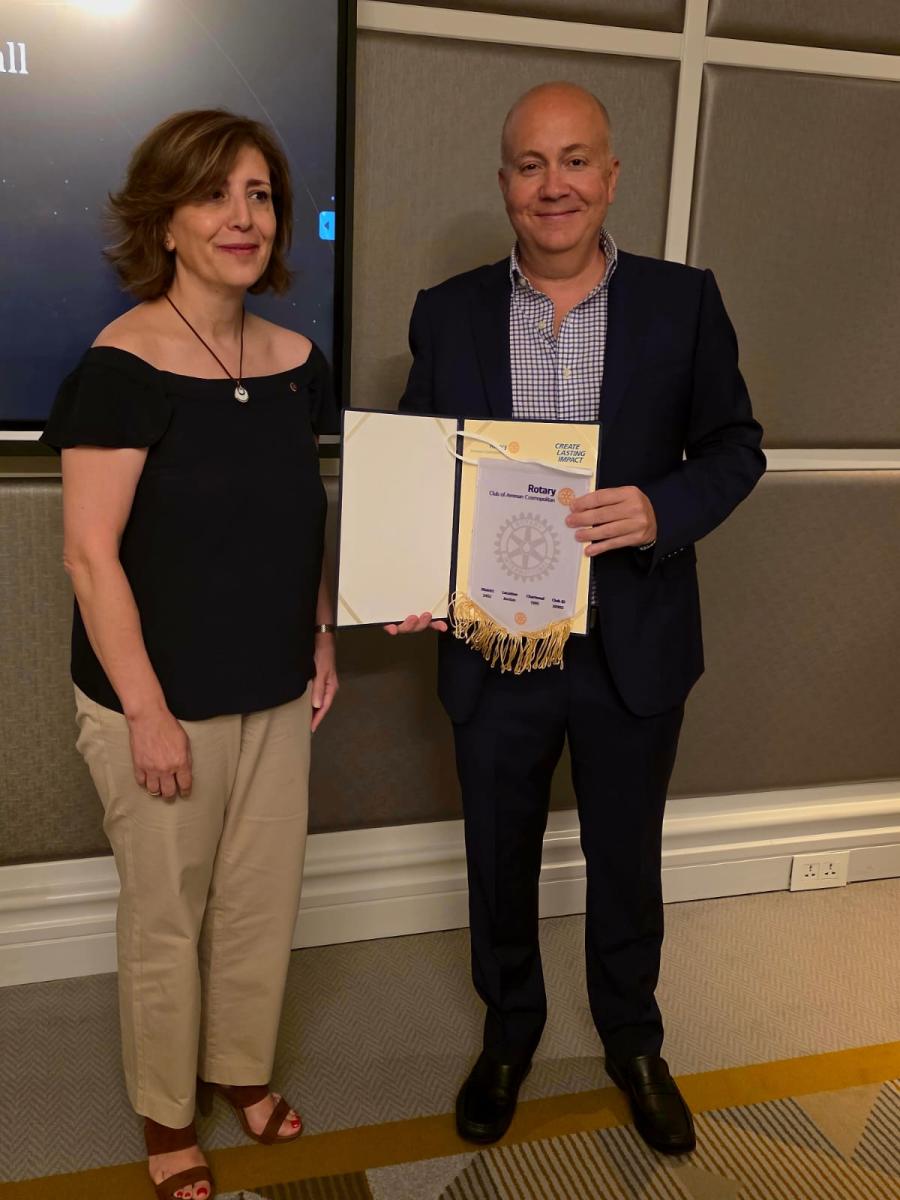
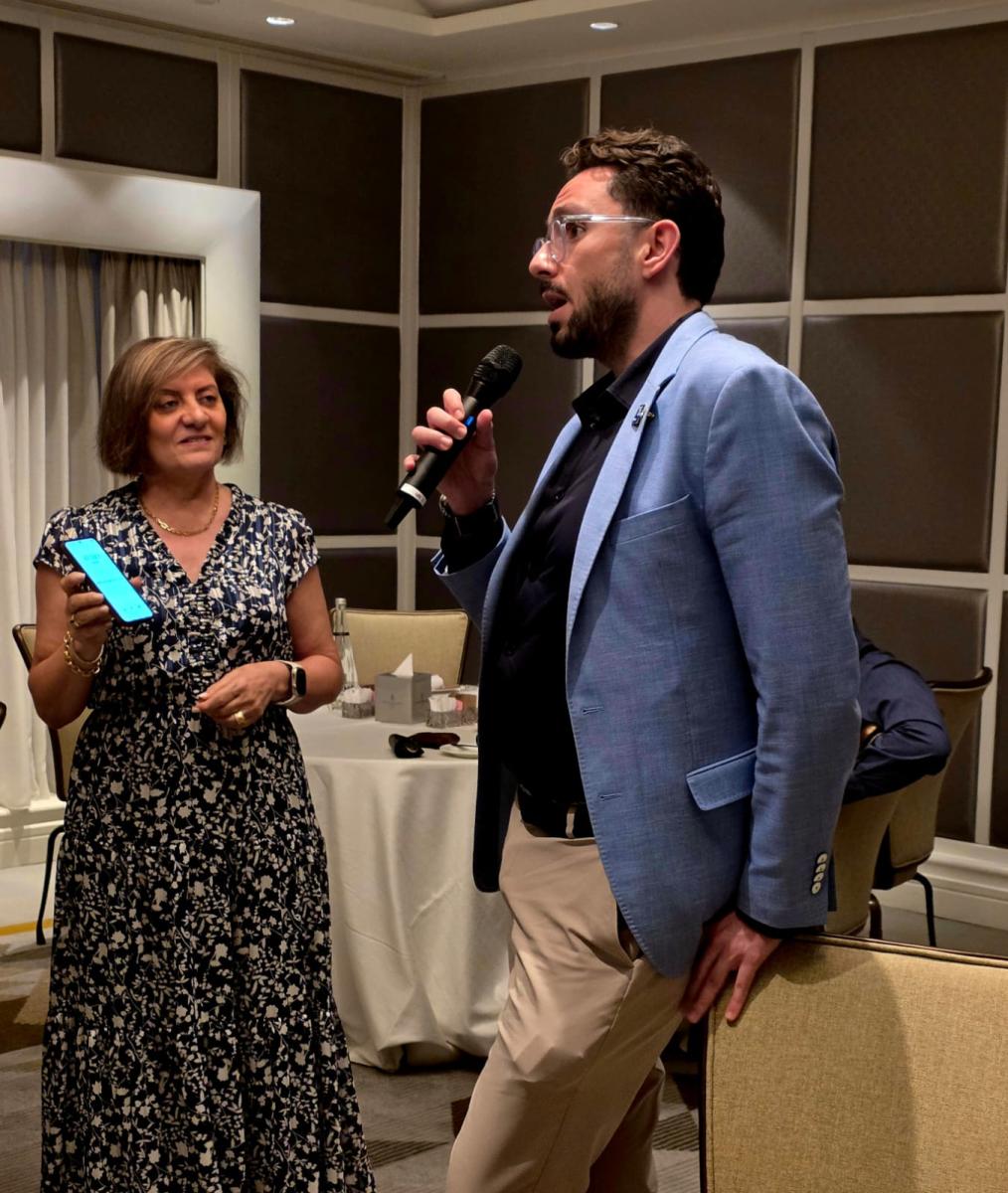
AMMAN — Speaking at the Amman Cosmopolitan Rotary Club on Wednesday, July 14, at the Four Seasons Hotel, Issa Marto, President of the Amman Football Club, focused on what he described as the real key to Jordanian football success: building the right long-term ecosystem rather than viewing achievement as the product of a single moment.
Marto said the discussion comes at a time when the World Cup heightens public attention in the region, but he urged stakeholders to look beyond match-day debates on tactics and team selection. “Everyone has strong opinions in football,” he remarked, while shifting the conversation toward a broader question: how to produce sustained success for Jordan.
From milestone to foundation
Marto pointed to Jordan’s World Cup qualification as a “big milestone,” describing it as the result of years of investment and collective effort by the Federation, clubs, coaches, families, and players.
He stressed, however, that qualification must not become the “peak” of Jordanian football ambitions. “The World Cup should not be the peak,” he said, adding that it must function as the foundation for the next generation—stronger pathways, expanded opportunities, and wider development structures.
“Ecosystem” model: who must do what.
In a structured argument, Marto laid out the ecosystem he believes is required for talent to emerge and progress.
He described the ecosystem as involving multiple layers, including:
Families, introducing children to football.
Schools provide the largest pool of young players and encourage participation across boys and girls.
Clubs, developing skills, and evolving into more professional training environments.
The Federation is planning competitions and structuring development pathways.
The government is investing in facilities and supporting accessibility.
The private sector, funding clubs, and infrastructure
Universities and the media are raising awareness and increasing exposure.
Fans, sustaining excitement and cultural support for sport.
Marto also emphasized sustainability, arguing that success requires systems capable of consistently producing talent over 10 to 20 years, not just during a short cycle leading up to major tournaments.
Learning from others: long-term consistency
Marto cited international examples to argue that football development does not depend only on budgets. He pointed to countries of different sizes and levels of resources that achieved progress through long-term planning. Among the examples he discussed were Japan, Iceland, and Uzbekistan.
Marto highlighted the pivotal role of schools as a “key” channel for discovering talent. He also spoke with pride about the growth of women’s football in Jordan, referencing youth age-group participation and the presence of a professional women’s team in competition.
He further argued that clubs must evolve beyond training sessions. In his framing, professional clubs increasingly provide a more holistic approach to athlete development, encompassing nutrition, life skills, psychological preparation, leadership, and strength and conditioning.
Marto criticized what he described as an imbalance between federation income and direct investment in clubs. He acknowledged periods when Jordan’s regional and international achievements brought significant funding but said that money must also be channeled into clubs, calling them the “foundation” of player production.
He argued that national teams ultimately select from the pool of players built over the years by hundreds of clubs. Without stronger club investment, national results cannot be sustained.
A major theme in Marto’s remarks was the need to create pathways for players—boys and girls—to move abroad and develop in stronger competitive environments.
He cited examples of young Jordanian players progressing through Jordanian club systems and later securing opportunities that provide professional contracts and exposure, which he argued can strengthen the national team over time—similar to models he said exist in other football nations.
Marto devoted significant attention to infrastructure, arguing that Jordan cannot “think big” without solving what he called foundational facility shortages.
While acknowledging the excitement around a major new stadium project supported by His Majesty the King, he said his emphasis is on the basics—particularly training grounds and facilities for clubs that currently struggle to access fields. He argued that without adequate pitches and reliable training conditions, clubs cannot build steady development programs.
He also cited broader infrastructure constraints, including maintenance issues and slow project follow-through, saying stakeholders should ensure facilities are operational rather than merely announced.
Government land access and clear criteria
Marto also addressed the role of government in enabling development, particularly through land access. He described how clubs seek land to build facilities but said delays and unclear criteria have created barriers—especially when land is offered at prices that are not feasible for organizations planning to invest in training infrastructure.
He urged a shift toward practical frameworks, including clearer standards and measurable outcomes.
Across his remarks, Marto’s recurring point was that success in football is collective and structural. Qualification can be achieved, he argued, but sustained improvement requires coordination among families, schools, clubs, the Federation, government, the private sector, media, and fans—supported by facilities, professional development, and long-term planning.
Marto concluded that Jordanian football’s future depends on investing in the ecosystem and giving the next generation opportunities to reach their full potential.