- وزير الداخلية، يترأس اجتماع متابعة جاهزية المؤسسات واستعداداتها لاستقبال فصل الشتاء والتحضيرات اللازمة لمواجهة الأحوال الجوية والظروف الطارئة خلال هذا الفصل
- كوادر مديرية دفاع مدني الزرقاء أخمدت أمس حريقاً شب داخل أحد مصانع الدهانات في منطقة الهاشمية بمحافظة الزرقاء نتج عنه إصابة خمسة أشخاص بضيق في التنفس
- وفاة 12شخصا بينهم 5 أطفال، وإصابة 13آخرين، وفقد أكثر من 60 آخرين في حصيلة غير نهائية، إثر انهيار مبنى متصدع من 6 طبقات يؤوي عشرات النازحين في مدينة غزة
- مستوطنون، يحرقون الأربعاء، مسكنا وغرفة زراعية، وخطوا شعارات عنصرية على جدران منازل الفلسطينيين، في قرية التوانة بمسافر يطا، جنوب الخليل، جنوب الضفة الغربية المحتلة
- يكون الطقس الأربعاء، حارا نسبيا فوق المرتفعات الجبلية، وحارًا في باقي المناطق، مع ظهور غيوم على ارتفاعات متوسطة وعالية في جنوب المملكة
Cultural Justice, Why the Arts Must Reach the Peripheries

04/19/2026 - 13:36
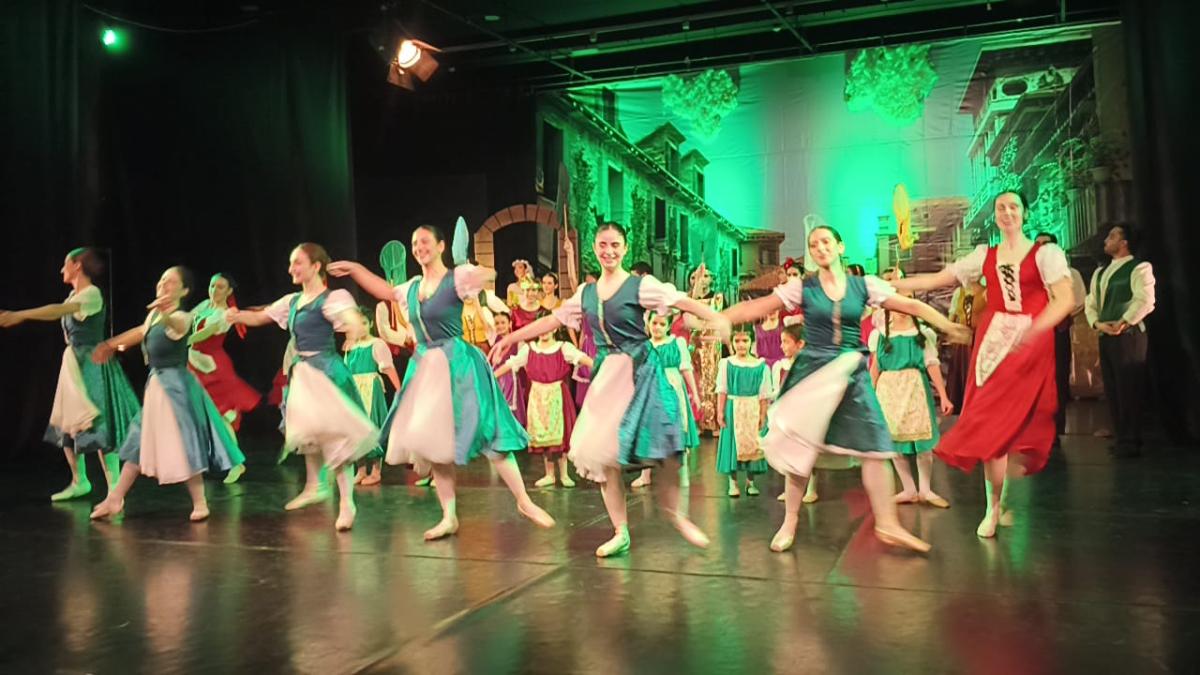
At the start of this week, the stage of the National Centre for Culture and Arts at the King Hussein Foundation was not merely a venue hosting the global ballet “Coppélia”, it was a mirror reflecting what investment in people can achieve when talent meets academic discipline.
Watching children and young performers of different ages shape their bodies into complex, fluid movements is not just a fleeting aesthetic moment, it is a powerful social and political statement. Art is a form of soft power that sharpens the awareness of generations and serves as a measure of a society’s maturity.
A closer look behind the scenes and at the company’s rehearsals reveals a truth often overlooked. Art is not a luxury or a social accessory, it is rigorous discipline. A child who commits to long hours of training to master a single ballet step is, in fact, learning commitment, patience, and teamwork. Institutions like the National Centre for Culture and Arts do not simply produce dancers or musicians, they shape citizens who possess the tools of peaceful expression and believe in dialogue rather than confrontation.
In a world saturated with rhetoric of division and exclusion, art stands out as the only universal language that requires no translation. It is a protective barrier against intellectual extremism, transforming negative energy into creative expression.
Despite the exceptional role played by the Centre, the greatest challenge remains geography. Such high quality artistic experiences must not remain confined to the capital or limited to those who can access them. Cultural justice demands that these programs extend to all regions, from Ma’an to Irbid, from Ruwaished to the Jordan Valley.
Why should a child in a remote village be denied the chance to discover a talent for painting, music, or acting. Expanding the Centre’s model beyond Amman is not merely a service demand, it is a national obligation to confront cultural marginalisation.
Support for these institutions must become a priority within public budgets and private sector partnerships. The cost of establishing a cultural centre in a governorate is far less than the social cost of addressing the consequences of cultural deprivation.
Historically, civilizations have not been remembered solely for their armies, but for what they contributed in art and thought. Today, the progress of nations is measured by how they value creativity and integrate the arts into their educational systems. What is needed now is a national movement to support institutions that nurture young talent, not as extracurricular activity, but as a cornerstone of identity building.
This is precisely what art does. It builds bridges over divides that words often fail to cross. In times of growing polarization, art is not a reaction, it is prevention. A child who learns to express emotions through music, painting, or movement is learning dialogue before conflict.
When you watch a nine year old girl repeat a demanding movement for the twentieth time without frustration, you realise that art teaches what traditional education alone cannot.
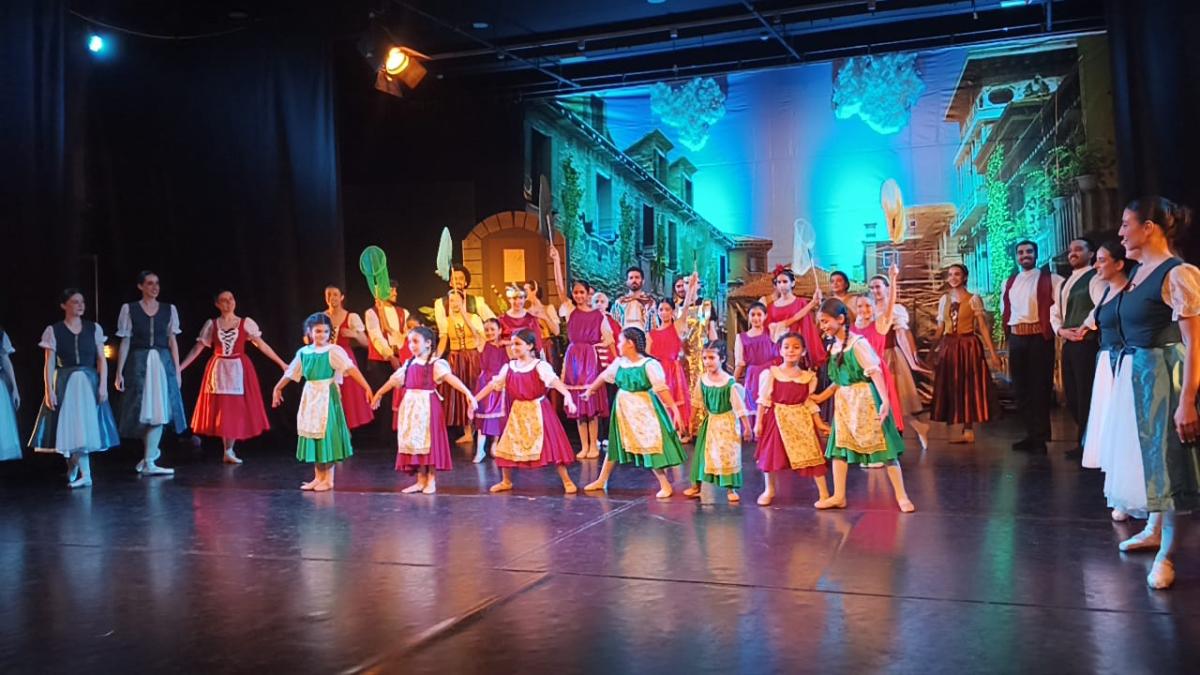
And when you recognise that thousands of children will never experience this simply because they live outside the cultural spotlight of the capital, you understand that what unfolded on that stage was not just a performance, it was a call to responsibility.
“Coppélia” was a reminder of the hidden potential within our children. Sustaining the development of generations who appreciate beauty and culture requires long term commitment and continuous support, both material and moral.
Art remains the most refined dialogue between peoples. When we help a child pick up a paintbrush or wear a pair of ballet shoes, we are, in reality, planting the seeds of a more tolerant, refined, and open society.