Ahmad Awad Urges Civic Engagement and Vocational Reform

01/25/2026 - 10:46
الرابط المختصر
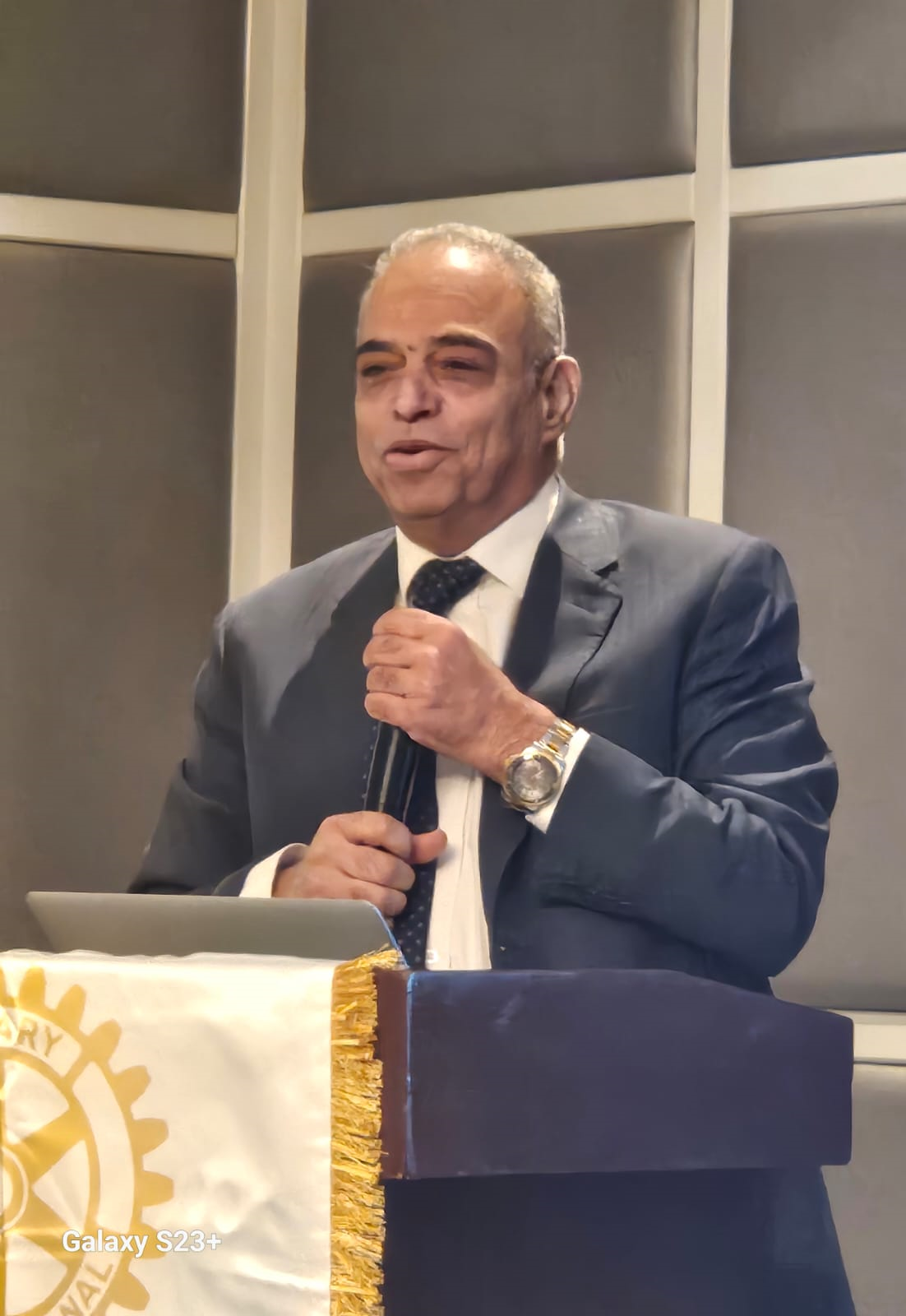
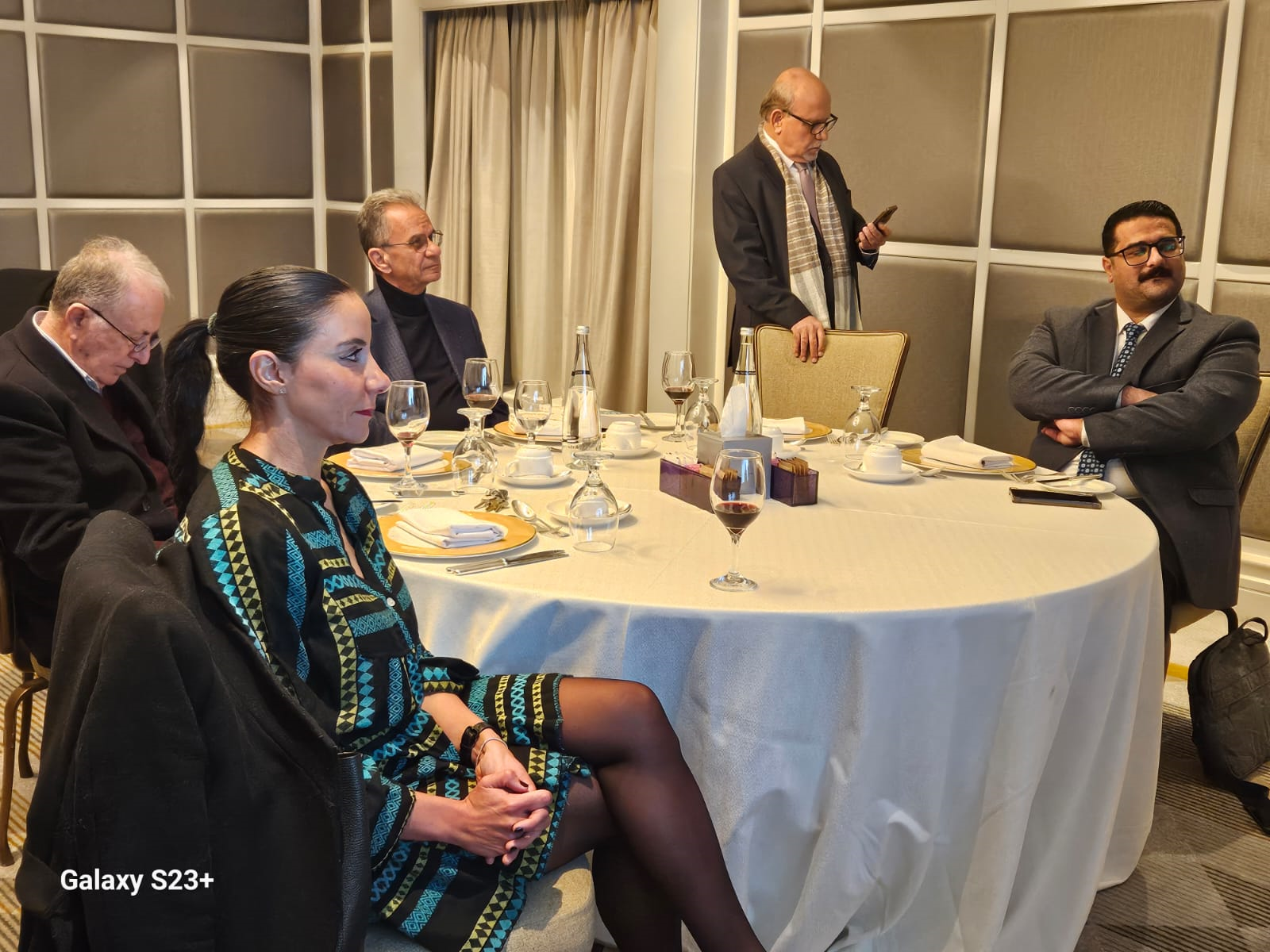
In a vibrant gathering at the Amman Rotary Cosmopolitan, Ahmad Awad, the director of the Phenix Center for Economic and Informatics Studies, delivered an insightful speech on Wednesday that captivated the audience.
Awad's address highlighted the persistent economic challenges facing Jordan, including high unemployment rates and economic stagnation. "Jordan is at a crossroads," Awad stated. "We must confront the realities of our economic situation with innovative solutions that can pave the way for sustainable development."
A critical point of his speech and the interactive discussion centered on Jordan's educational system. He stated, "Jordan’s challenge is not a lack of education, but an imbalance in its education system. University education has expanded rapidly, while vocational and technical education remains weak." This disparity has contributed to high graduate unemployment, skills shortages, and low productivity in key sectors. He stressed that the future requires a strong and modern vocational training system that delivers real jobs and supports economic transformation. "Reform must focus on quality, sustainable financing, effective governance, and clear links between training and employment," he asserted.
Awad also urged attendees to take an active role in their communities, stressing that individual actions contribute to collective progress. "Civic responsibility is not just a duty; it is a privilege," he remarked. "When we engage with our communities, we empower ourselves and those around us."
Economic expert Ahmad Awad expressed optimism about the potential of Jordan’s youth, urging them to become proactive agents of change. He encouraged young people to participate in economic initiatives and community service, fostering a sense of responsibility and leadership. "Our youth are not just the leaders of tomorrow; they are the changemakers of today," he emphasized. "It is our duty to provide them with the tools and opportunities they need to succeed."
In line with the Jordanian Economic Modernization Vision, Awad emphasized that vocational training is essential for job creation, productivity growth, and competitiveness. He outlined five priorities for moving forward: Building a national skills system based on labor market data, increasing public investment in training infrastructure and trainers, unifying standards, accreditation, and quality assurance, measuring success by employment outcomes and decent jobs, and directing training toward future skills and ensuring a fair transition for all.
As a researcher and the director of the Phenix Center, Awad emphasized the importance of data and research in shaping economic policies. He presented recent studies that illustrate the impact of various economic strategies on local communities. "Data-driven decisions lead to effective policies," he explained. "We must rely on evidence to guide our actions, ensuring that we invest in what truly works for our economy."
Awad called for collaboration between the government, private sector, and civil society to create a more resilient economy. He highlighted successful models from other countries that could be adapted to Jordan’s context. "No single entity can tackle these challenges alone," he stated. "We must unite our efforts and resources to create a robust framework for economic growth."