Iranian Chargé d’Affaires: Our Relations with Jordan are Based on Mutual Respect; Iran is Open to Diplomacy Without Pressure
02/02/2026 - 15:42
الرابط المختصر
"Jordanian-Iranian relations are natural, stable, and based on mutual respect."
"We have economic and academic agreements and MOUs that have been in place for years."
"The recent protests were initially peaceful but were exploited by extremist groups."
"We are open to diplomacy with the United States through mediators and under fair conditions."
"Iran does not initiate attacks, but it is ready to respond with strength and firmness to any aggression."
"Military maneuvers with Russia and China are routine and pre-scheduled."
"EU statements regarding the Revolutionary Guard are irresponsible and subversive."
"We seek regional peace and stability while protecting the interests of the Iranian people."
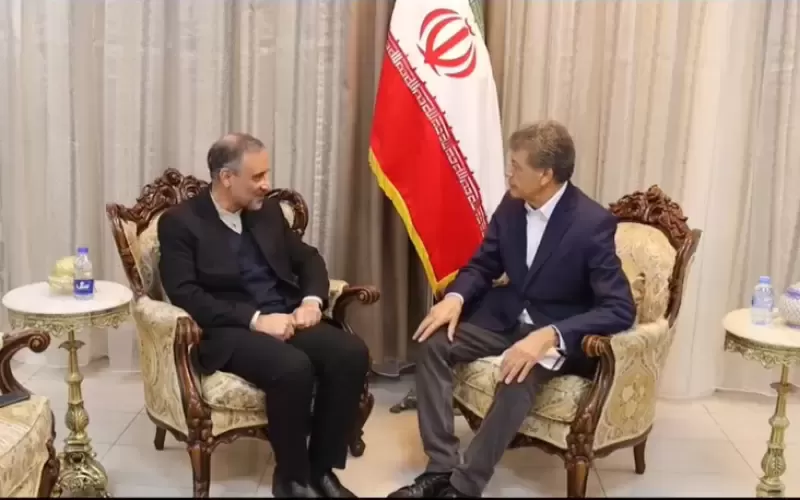
The Chargé d'Affaires of the Iranian Embassy in the Hashemite Kingdom of Jordan emphasized that Jordanian-Iranian relations are natural and stable, grounded in mutual respect, historical and cultural ties, and shared interests. He praised Jordan's role in engineering regional balances, describing it as positive and vital for the region.
The Chargé d'Affaires stated that cooperation between the two countries spans multiple fields, particularly economic, academic, cultural, and scientific sectors. He pointed to existing agreements signed years ago, including a double taxation avoidance agreement, transportation pacts, and academic cooperation between universities in both nations.
Regarding the protests in Iran, he explained that the Iranian government was implementing economic reforms amidst imposed sanctions, which led to currency depreciation and peaceful protests, specifically in Tehran. He added that these protests were quickly infiltrated by groups he described as "terrorist and extremist," which carried out acts of rioting and attacks on public institutions, places of worship, and service facilities. He noted that a large segment of protesters distanced themselves from these acts, which he said were socially and religiously rejected.
He indicated that Iranian authorities handled the situation swiftly, holding meetings with representatives of economic sectors to address issues, confirming that stability has returned to various provinces. He also accused foreign parties, including the United States and Israel, of attempting to exploit the events and interfere in Iran's internal affairs.
Regarding communication with the United States, he clarified that his country is open to negotiation and diplomacy, but through mediators—including Turkey and Qatar—stressing that there are currently no direct talks. He emphasized that any negotiations must be fair, equitable, and free from pressure, while regional efforts to de-escalate continue.
Concerning the U.S. military mobilization in the region, the Chargé d'Affaires asserted that Iran is in a state of full readiness. He stressed that while Iran does not initiate attacks, it will respond firmly to any aggression, warning that any potential war would not be limited to Iran but would affect the entire region.
He denied having confirmed information regarding reports of the arrival of intercontinental missiles from Russia or China, merely affirming the existence of natural relations and alliances with major powers like Moscow and Beijing across various fields. He also explained that joint military maneuvers with these countries fall under routine, pre-scheduled training programs.
Responding to the European Union's designation of the Iranian Revolutionary Guard as a terrorist organization, he described such statements as irresponsible and subversive. He considered them aligned with U.S. policies that undermine the international system, stressing that such positions do not serve regional stability or international relations.
The Iranian Chargé d'Affaires concluded by reiterating that Iran seeks regional peace and stability and continues its consultations with regional countries to reduce tensions, while
simultaneously upholding its right to self-defense and the protection of its national security and people.